|
I wanted to provide you with an update regarding dangerous driving and speeding, which some members around this area have highlighted as an issue of concern on the Met Engage priority survey. We wanted to reach out to try to prevent a few easily avoidable issues surrounding the use of Electrically Assisted Scooters or e-scooters as they are commonly known, which are illegal to operate except under a few strict exceptions.
Please note the following because violating these rules can land you in trouble.
It is illegal to ride a privately owned electric scooter in public on pavements, on roads or in parks.
You could be fined and get penalty points on your driving licence. The scooter could also be seized by the police.
If you do not own a drivers licence when receiving points then a “ghost” version will be generated by the DVLA and points will be transferred to your provisional or full licence. Points on a new licence can push up the price of insurance for new drivers and if you get too many early on, your license could be revoked requiring you to re-test.
You can only ride a privately owned electric scooter on private land with the permission of the landowner.
Lots of people assume parks are private land but this is not the case. Most parks and open spaces are council owned and managed. Currently Sutton Council does not permit the use of privately owned e-scooters and if you do use them you could face prosecution by their enforcement teams.
Rental E-Scooters
Government-approved rental e-scooters are legal in specific trial areas across the UK and these scooters can be ridden on public roads and cycle lanes, but not on pavements or motorways.
In order to use a rental scooter, You must:
• Hold a full or provisional UK driving licence with category Q entitlement entitlement
• Follow speed limits, typically capped at 15.5 mph
• Use the scooter responsibly, avoiding alcohol or drugs while riding
• Ride one person at a time and not tow anything
Penalties
Illegal use of e-scooters can lead to:
• Fines up to £300 and penalty points for no insurance.
• Fines for riding without the correct licence or on pavements.
• Seizure of the scooter under Section 165 of the Road Traffic Act 1988 or Section 59 of the Police Reform Act 2002 for antisocial use
Illegal use includes using a broken or adapted unit where being stopped by the police will not only result in the above but also a possible criminal damage charge.
Please note that e-scooters are different to mobility scooters.
Mobility scooters and powered wheelchairs are single-seat vehicles with a battery. They’re designed to help if you have trouble walking.
These tools also have rules governing their use.
Who can use mobility scooters and powered wheelchairs
You can only drive a mobility scooter or powered wheelchair if one of the following applies:
• you have trouble walking because of an injury, physical disability or medical condition
• you’re taking the vehicle to or from maintenance or repair
• you’re the manufacturer testing the vehicle
• you’re demonstrating the vehicle before it’s sold
• you’re training a disabled user
If none of these applies to you and you have an accident, you may be given the same penalty as if you were driving a car. You can go to prison, get a driving ban or get an unlimited fine, especially if you have modified a mobility scooter to increase the speed.
Using an e-scooter/mobility scooter outside of the rules above constitutes dangerous riding.
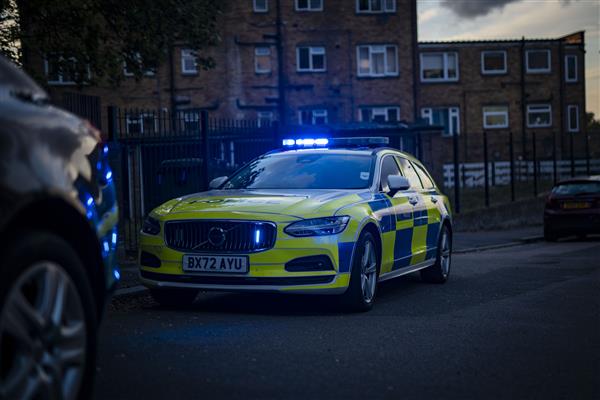 If someone is driving a motor vehicle, they should always be doing so in a safe and considerate manner. Even momentary lapses in judgement can have life changing or devastating consequences for those in the vehicle or innocent bystanders. Activities such as street racing, cruising or performing tricks can count as anti-social behaviour. If you are concerned about this in your area, visit our website for the latest guidance and how you can report this. You can also report dangerous driving in your area. We are working on our brand-new strategy for how we police London and we want your help. Our New Met for London: Phase 2 strategy will guide how we deliver on behalf of Londoners over the next three years. |