|
Dear resident, Brown hares are widespread across the UK but numbers are declining and are now estimated at less than half a million in England. An iconic sight in the British countryside, they are known for their long, black-tipped ears and fast running - reaching speeds of 45mph. Brown hares face a range of threats, including poaching and habitat loss.
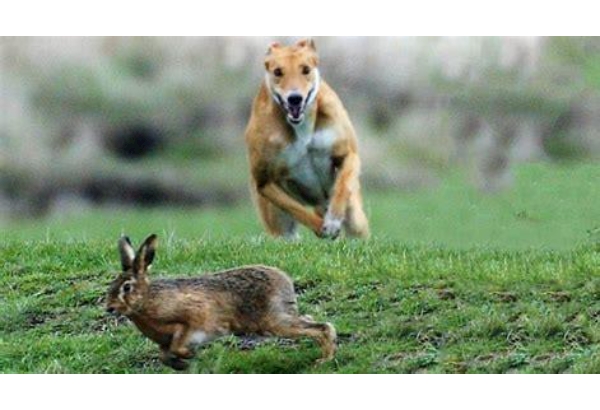
Hare coursing is the pursuit of hares with greyhounds and other sighthounds, which chase the hare by sight, not by scent.
It is a long-established hunting technique that was practiced historically in England, especially with greyhounds or sighthound breeds, or with lurchers which are crossbred sighthounds. The sport grew in popularity in Europe during the 19th century but has since experienced a decline due in part to the introduction of greyhound racing with betting, and laws passed that have banned the practice with tougher sentencing and improved powers introduced under the Police Crime Sentencing and Courts Act 2022 to tackle the cruel practice of chasing and killing hares and other wild animals with dogs. Anyone caught hare coursing can now face an unlimited fine and up to six months in prison, the police also have more powers under section 59 to seize vehicles just on suspicion.
Hare coursing is a serious problem in some rural areas which is why those that illegally practice it pose such a threat to farmers and others in the rural communities. Not only does it involve cruelty to wild animals, it is also associated with a range of other criminal activities, including theft, criminal damage to gates, hedge rows, fences and crops, violence, intimidation and cruelty to the dogs involved, sometimes the damage caused can run into thousands of pounds.
What is hare coursing?
Hare coursing sets two running dogs onto a brown hare. The dogs compete and are judged by how closely they can follow the twists and turns of the hare as it tries to escape, and if they ultimately catch and kill it. The dogs are competing and gambling is often involved.
Is hare coursing legal?
No. Hare coursing was made illegal by the Hunting Act 2004.
What's the background of hare coursing?
Hare coursing has a long history reaching back centuries. It was originally a sport of the nobility, but by the end of the 19th century and at its peak it had become a working man’s sport, which lasted until it was superseded by greyhound racing in the 1920s. Its most famous event was the Waterloo Cup held in Lancashire, the last taking place in 2005, just months before the practice was banned, however, secretly other competitions are held.
What kind of dogs are used?
Sighthounds (also known as longdogs) and their crosses: greyhounds, salukis, slughi, borzoi, Afghan hounds, whippets – all are fast, agile, and hunt by sight. Many are badly treated once their coursing days are over and many end up in animal rescue sanctuaries.
Where does hare coursing take place?
Coursing requires big, open spaces so agricultural areas such as ours can suffer badly from illegal coursing gangs and activities. Coursing usually takes place most commonly on arable land and open grassland, this usually happens after crops have been harvested, however, it will still take place after crops have been sown, when crops are young and when fields have been left to grass.
What can I do?
Please call 999 if you believe hare coursing is currently taking place, or if there is something you want to tell us that has previously happened or is due to happen please call 101, go online by following this link https://www.westmercia.police.uk/ro/report/asb/asb-v3/report-antisocial-behaviour/ or report it anonymously through CrimeStoppers by calling 0800 555111.
|